Trying to picture what your day would actually feel like in Calabasas? If you are weighing a move, you want the truth about routines, commute patterns, neighborhood vibes, and the tradeoffs that come with a suburban, nature‑adjacent city. In this guide, you will get a clear, local look at everyday life so you can decide if it fits your lifestyle. Let’s dive in.
Daily rhythm and feel
Calabasas runs on a quieter suburban tempo compared with central Los Angeles. Mornings and late afternoons are the busiest, as families handle school drop‑off and commute windows. Midday is calm, and evenings lean residential with neighborhood walks, team practices, and low‑key dinners.
You will notice the small‑city feel. The city emphasizes preserved open space, and many neighborhoods are low‑density with single‑family homes. Community classes, city events, and weekend farmers markets are routine parts of life.
Errands and everyday convenience
The two main hubs shape daily errands. The Commons at Calabasas is the go‑to for grocery runs, casual dining, the movie theater, and services. Old Town Calabasas adds boutique shopping, sidewalk cafes, and the historic core.
Most residents drive for errands. Calabasas Road and nearby corridors carry you between shops, schools, and neighborhoods. You will find upscale supermarkets and specialty food options in town, and many people make quick trips into the Valley or Westside for more variety.
Dining and weekend social life
Dining skews toward family‑friendly restaurants, quality casual cafes, and a few higher‑end local spots. The scene is lively on weekends but not late at night. If you want 24‑hour nightlife, you will head toward central LA or the Westside.
Weekend rhythms often center on the town core. Brunch in Old Town, a movie or gelato at The Commons, and backyard gatherings are common. Seasonal city events add a community touch without the big‑city bustle.
Outdoors and recreation
Outdoor access is a major draw. Multiple trailheads and regional open spaces support weekday hikes, trail runs, mountain biking, and equestrian routines. You are close to canyon and mountain trails in the Malibu Creek and Topanga vicinity, with plenty of local city and county trail options.
For a dose of history and local culture, the Leonis Adobe Museum in Old Town anchors the area’s ranch heritage. City parks host classes, youth sports, and community events that keep weekends active.
Schools and family routines
Public schools are served by the Las Virgenes Unified School District, which is known for above‑average performance relative to county averages. Program strengths and offerings vary by school, so review specific campuses directly. Several private and independent schools are within commuting range if you are exploring alternatives.
For many households, life revolves around school calendars, sports, and enrichment. Expect frequent PTA events, team practices, and city recreation programs. Waitlists can be common for popular preschools and extracurriculars, so plan ahead.
Housing and neighborhoods at a glance
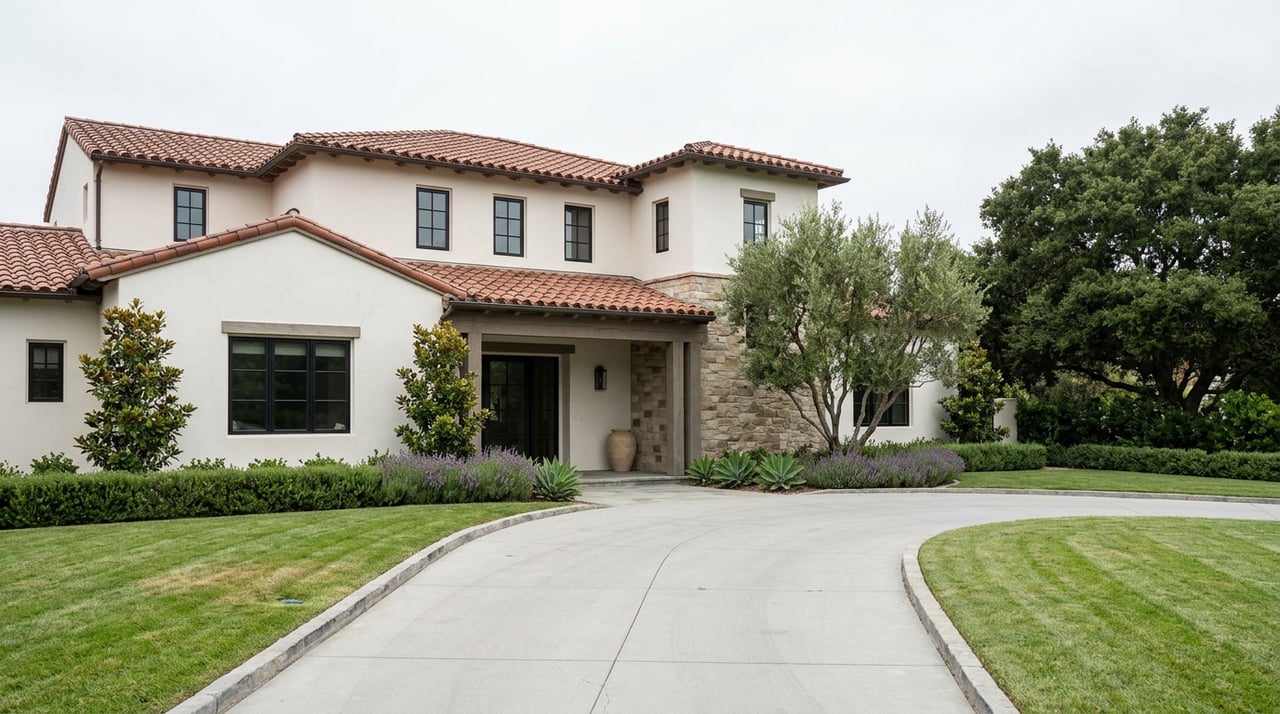
Calabasas is an upper‑tier LA suburb with a mix of classic single‑family neighborhoods, gated communities, and some townhome pockets. Many homes sit on medium to large lots, and HOAs are common in gated enclaves and newer tracts. In the canyon and hillside periphery, you will find more rural settings and equestrian‑friendly properties.
- Old Town Calabasas: Historic charm, farmers market energy, and walkable pockets.
- The Commons corridor: Daily shopping and dining with nearby residential streets.
- Gated communities: Privacy, controlled access, and neighborhood amenities that appeal to many buyers.
- Canyon and hillside areas: Scenic and private with mountain‑living considerations.
Single‑family prices are generally well above $1 million, with value driven by neighborhood, lot size, and home age. Limited supply and strong demand for the lifestyle can create competition in desirable pockets. Many properties include HOA fees or use covenants that affect renovations and maintenance, so review documents early.
Commutes and getting around
Calabasas is car oriented. You will rely on major roads that connect to the 101 and Westside and Valley corridors. Congestion spikes during commute hours, and travel times to the Westside or Downtown vary widely by time of day.
Public transit is limited compared with denser parts of LA. Metro bus service and local shuttles can fill gaps, but they are not a full substitute for a car for most households. Many residents use rideshare, carpools, and school transportation. Hybrid schedules and work‑from‑home patterns have eased peak traffic for some commuters.
Practical realities to plan for
Calabasas delivers a polished suburban experience, and it comes with a few realities to factor into your plan:
- Wildfire readiness: The city sits in a wildland‑urban interface. Use CAL FIRE fire hazard maps to understand risk. Budget for defensible‑space landscaping, evacuation planning, and insurance.
- Insurance and utilities: Homes in higher‑risk areas may face elevated wildfire insurance premiums or tighter insurer availability. Cell and broadband coverage is generally strong in core neighborhoods, with more variability in remote canyons.
- HOA rules and city codes: Many neighborhoods have HOAs that shape daily life, from exterior changes to parking and short‑term rental rules. Review CC&Rs and municipal ordinances before final decisions.
- Public safety and services: Overall crime rates are lower than many LA neighborhoods, but conditions vary by block and time. Check current city or sheriff data through the City of Calabasas before you decide.
- Healthcare access: Urgent care is nearby, with major hospitals within a reasonable drive. Confirm the closest emergency services for your specific neighborhood.
Who Calabasas fits
You may love Calabasas if you want:
- A quieter, suburban setting close to Westside and Valley job centers.
- Strong outdoor access with trails and open space minutes from home.
- Single‑family living, gated options, and a community calendar of family events.
It may not be your best match if you prefer:
- Extensive public transit and high walkability to a wide range of services.
- Late‑night entertainment or dense urban energy.
- Lower housing costs and minimal car use.
How to start exploring
Spend a Saturday walking Old Town, visit the farmers market, and plan lunch at The Commons at Calabasas to get a feel for the pace. Tour a mix of neighborhoods, from a gated enclave to a hillside street, to compare privacy, HOA expectations, and yard sizes. If schools are a priority, review district maps and program details with Las Virgenes Unified School District, then time your target commute on a weekday morning and evening.
For culture and context, stop by the Leonis Adobe Museum. When you start zeroing in on a property, check wildfire exposure on the CAL FIRE hazard viewer, review HOA documents, and confirm city rules on renovations and rentals through the City of Calabasas.
Ready to see how the lifestyle fits your day to day? From neighborhood nuance to practical details like HOA covenants and fire insurance, you deserve a calm, concierge approach. If you want a local guide who pairs hospitality‑grade service with real market expertise, connect with Kevin Goldman.
FAQs
What is daily life like in Calabasas for families?
- Expect a quieter suburban pace with school and sports routines, city events, and easy access to trails, plus errands centered around Old Town and The Commons.
How are public schools in Calabasas?
- Calabasas is served by the Las Virgenes Unified School District, which has a reputation for above‑average performance relative to county averages; review individual campuses for specifics.
What do commutes from Calabasas look like?
- Most residents drive to Westside or Valley job centers using the 101, with times that vary by hour; test your route during your target commute windows.
Are wildfires a concern in Calabasas neighborhoods?
- Yes, the area sits in a wildland‑urban interface; check CAL FIRE hazard maps, budget for defensible space, and confirm insurance options.
What types of homes and neighborhoods will I find?
- Mostly single‑family homes on medium to large lots, with gated communities, some townhomes, and canyon or hillside properties that offer more privacy and rural character.
Are there HOA rules to consider when buying?
- Many neighborhoods have HOAs with fees and covenants that affect renovations, landscaping, parking, and short‑term rentals; review CC&Rs and budgets early in your process.
How safe is Calabasas compared with other LA areas?
- City and sheriff data show lower overall crime rates than many parts of Los Angeles, but conditions vary; review current reports for the exact block you are considering through the City of Calabasas.